


- Home /
- Root Canals
Root Canals
What Is Root Canal Treatment?
Every tooth contains a soft tissue called the pulp — it holds the nerves and blood vessels thatnourish the tooth. When the pulp becomes inflamed or infected due to decay, a crack or trauma, itmust be removed. In root canal treatment, we clean the root canals, disinfect them and seal themairtight — saving the tooth from extraction.
When You Need a Root Canal
For pulpitis:
Inflammation of the nerve presenting with intense, spontaneous pain (often at night) and extremesensitivity to cold or heat
For a periapical abscess:
Pus-filled infection at the root tip, with symptoms such as severe pain on chewing, the sensation thatthe tooth is “higher”, swelling, or even fever.
- Other indications
- A fractured tooth with pulp exposure
- Repeated dental work on the same tooth
- A darkened tooth (sign of pulp necrosis)
- A sinus tract on the gums (small “opening” discharging fluid)
The Procedure Step by Step
Diagnosis:
Clinical examination, digital X-ray and — where needed — vitality testing of the tooth.
Local anaesthesia:
Complete numbing of the area, so you feel nothing. Modern root canal treatment is painless.
Cleaning the root canals:
The infected pulp is removed, and the canals are cleaned and shaped with precision micro- instruments.
Disinfection:
Rinses with special antiseptic solutions eliminate bacteria from inside the tooth.
Sealing:
The canals are sealed airtight with biocompatible material so the tooth cannot become reinfected.
Final restoration:
After root canal treatment, the tooth is usually restored with a crown — because it loses significant healthy structure and needs protection against fracture.

Does Root Canal Treatment Hurt?
No. This is the most widespread misconception. In modern dentistry, root canal treatment itself ispainless thanks to modern anaesthesia. The pain most patients associate with root canals is the painof the inflammation BEFORE treatment — not from the treatment itself.
Cases
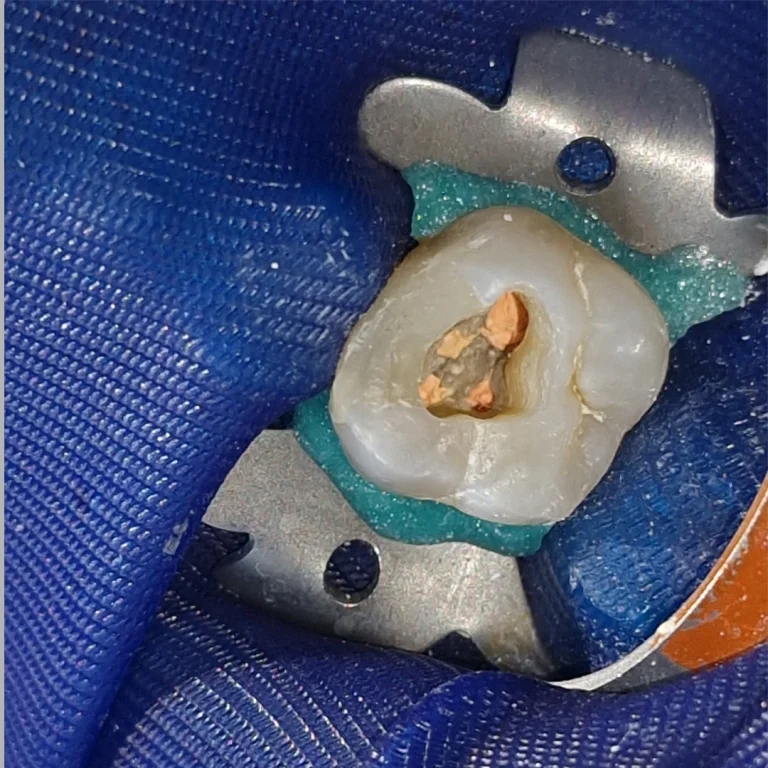
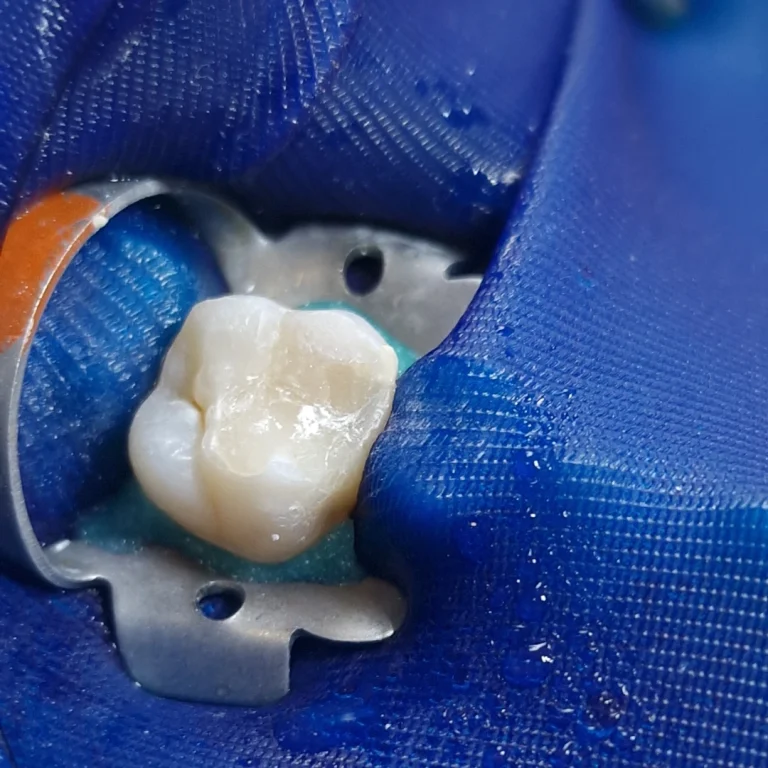
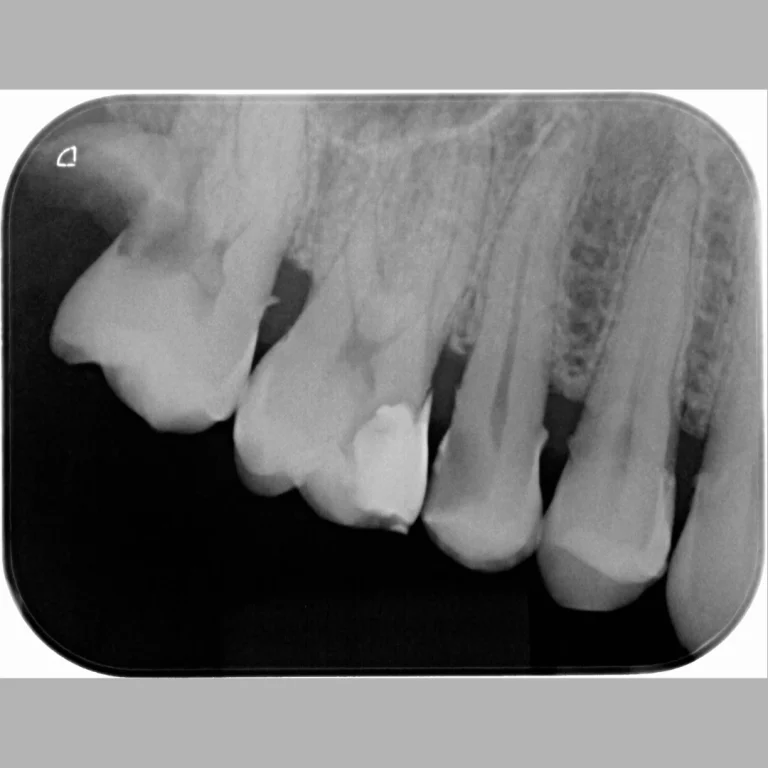
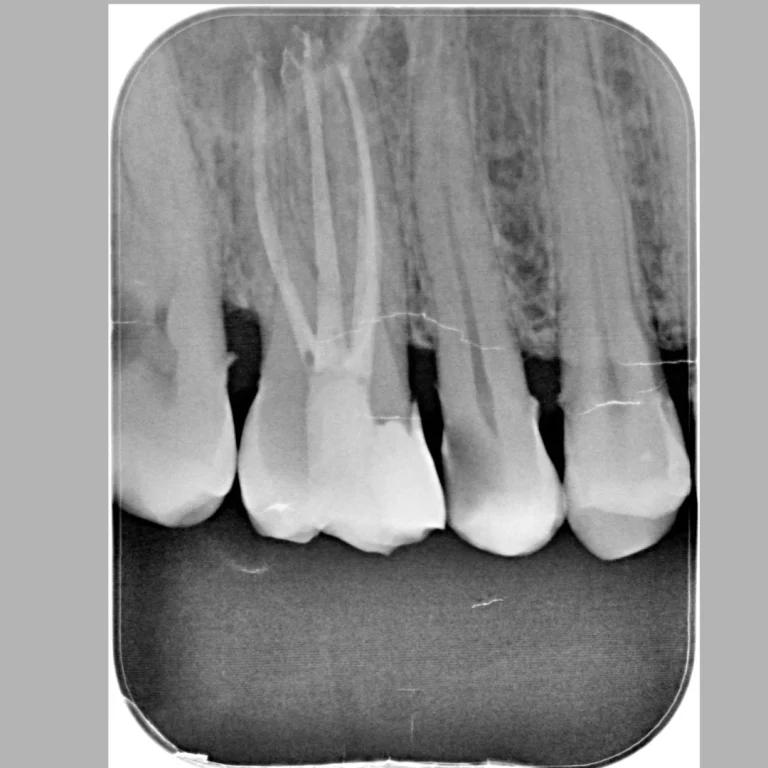
Everything You Need to Know
Frequently Asked Questions (FAQ)
How long does a root canal take?
Usually 45–90 minutes per session, depending on the number of roots in the tooth. It can be completed in one or two appointments.
Will I feel pain afterwards?
There may be mild sensitivity or a feeling of “pressure” for 2–4 days, manage able with common painkillers. If pain is severe or persistent, contact the clinic.
Why do I need a crown after a root canal?
A root-canal-treated tooth becomes more brittle. A crown protects it from fracture and restores its original strength and aesthetics.
Can I eat right after the procedure?
It’s best to wait until the anaesthesia wears off (2–3 hours) and avoid hard foods for 24 hours, or until the final restoration is placed.
What is the success rate?
With modern techniques and proper crowning, the success rate exceeds 90% — and the tooth can be kept for life.
Extraction or root canal — which is better?
Preserving the natural tooth is almost always the better option. A healthy root-canal-treated tooth serves you for years, while extraction then requires an implant or bridge. At Dentistar, we always exhaust preservation options before recommending extraction.
Ready to Book Your Appointment?
Contact us today to schedule your visit and take the first step toward a healthier smile.