


- Home /
- Orthodontics /
- Metal Braces
Metal Braces
What Are Metal Braces?
They are small metal “brackets” bonded to the outer surface of each tooth. They are connected by an orthodontic wire (archwire), which applies gentle, controlled forces to move the teeth into their proper position.
Who They're Recommended For
- Complex orthodontic cases
- Children and teenagers (the most common option)
- Adults who prefer stability and affordability
- Patients requiring larger tooth movements
- Cases where clear aligners aren't suitable
Benefits
- Most affordable orthodontic option
- Highly effective — work in almost any case
- Continuous 24/7 action (not removable)
- Modern designs smaller than older models
- Colourful elastic bands option — a fun element for children
- Shorter treatment time in complex cases compared to aligners
Disadvantages — What to Know
- They are visible — may not be ideal if you work in public-facing roles
- Require dietary care (avoid hard, sticky foods)
- Harder to clean — special brushes and floss needed
- Possibility of minor irritation in the first few days
The Procedure Step by Step
Diagnosis & planning:
Photos, X-rays, digital impressions and a clear treatment plan.
Placement (1–2 hours):
Cleaning and preparation of tooth surfaces. Brackets are bonded with a special material. The first archwire is placed. The procedure is completely painless.
Regular check-ups:
Re-examination every 4–6 weeks to change elastics, adjust the archwire and monitor progress.
Removal:
At the end of treatment, brackets are painlessly removed and teeth are polished.
Retainer:
A bonded or removable retainer is placed to stabilise the result. The maintenance phase lasts at least 12 months — often long-term night-time wear is recommended.
Care During Treatment
- Brush after every meal — at least 3 times a day
- Use interdental brushes and special braces floss
- Fluoride mouthwash
- Avoid hard foods (nuts, ice, pens), sticky foods (caramels), and biting whole apples/corn
- Professional cleaning every 4–6 months
- Contact the clinic immediately if a bracket loosens or a wire pokes out
Cases
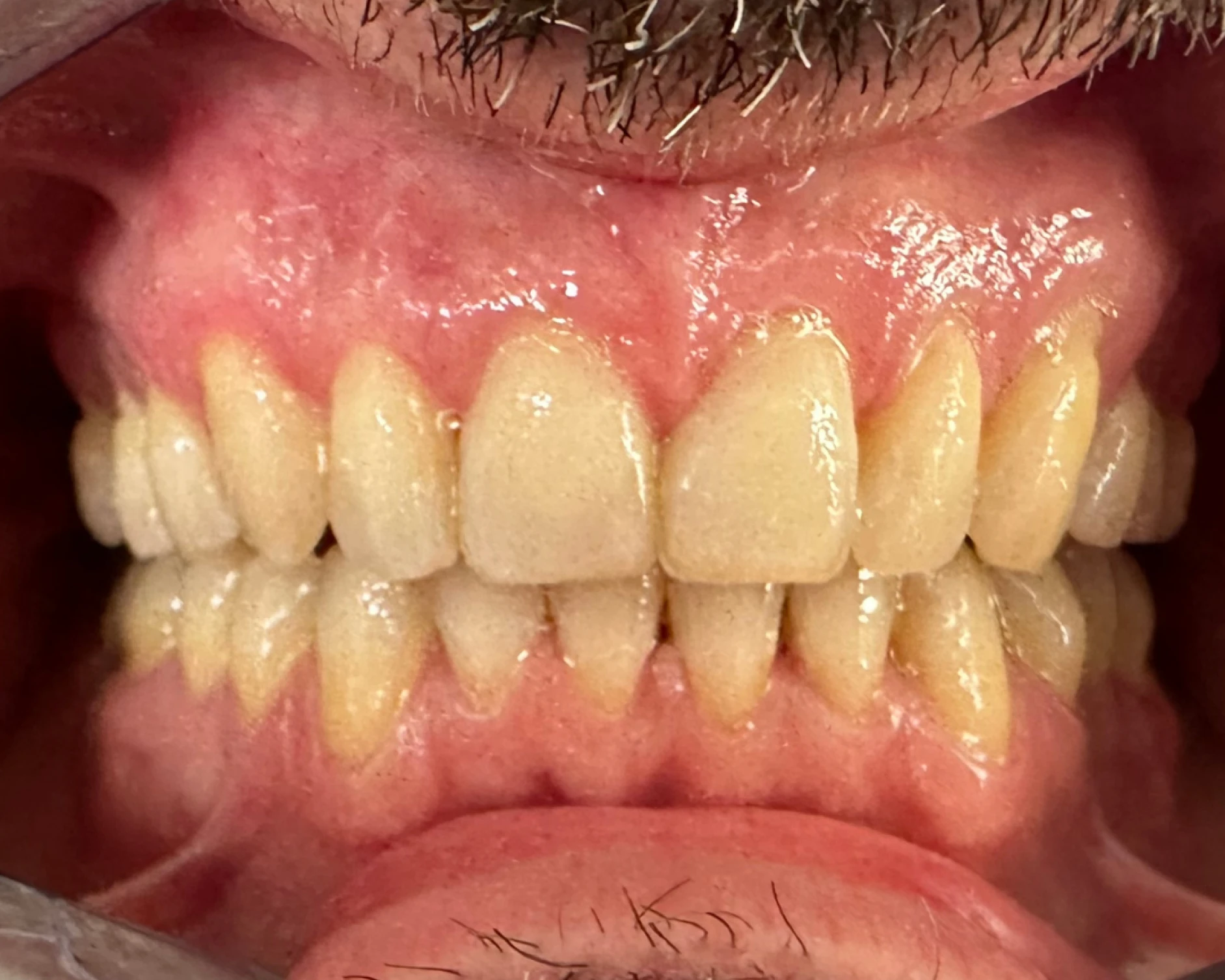
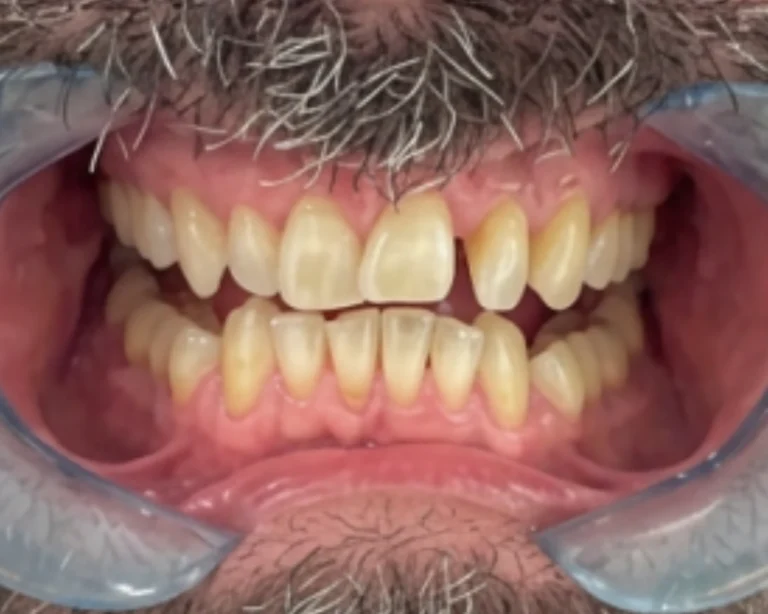
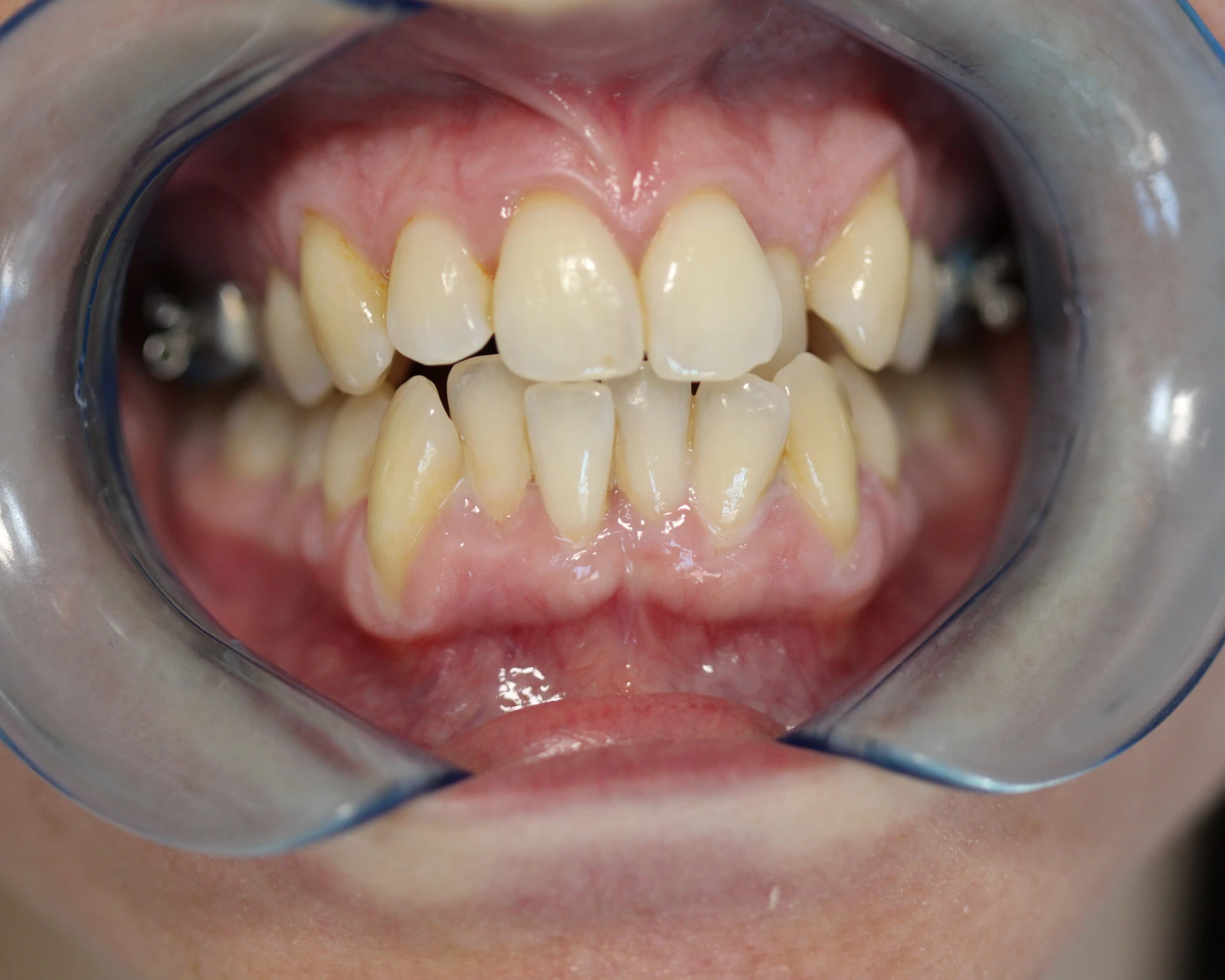
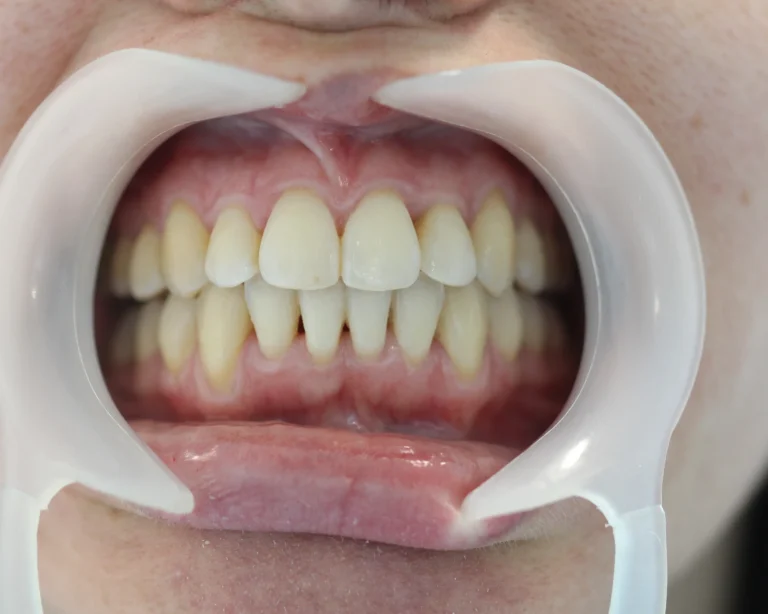
Everything You Need to Know
Frequently Asked Questions (FAQ)
How long does treatment with metal braces take?
Usually 12–24 months. More complex cases may need 30+ months, while simple cases can be completed in 8–12 months.
Do they hurt when they're placed?
Placement itself is completely painless. In the first 2–5 days, and after each adjustment, you may feel mild tightness in the teeth — managed with common painkillers.
How much do metal braces cost in Cyprus?
They are the most affordable orthodontic option. The exact price at Dentistar is determined after the initial assessment and depends on complexity and duration.
Can I eat normally?
Almost anything — just avoid hard, sticky or very crunchy foods (ice, nuts, caramels, gum, whole apples and corn). Cut hard foods into small pieces.
What age are braces suitable for?
Ideal age: 11–15 years, when most permanent teeth have erupted. However, they can be placed at any age, as long as the teeth and gums are healthy. For children under 10, assessment is done together with Paediatric Dentistry.
Will my teeth stay straight after treatment?
Yes, provided you wear your retainer properly. Teeth tend to drift back to their original position without retention — which is why the maintenance phase is critical and usually lifelong at night.
Ready to Book Your Appointment?
Contact us today to schedule your visit and take the first step toward a healthier smile.