


- Home /
- Cosmetic Dentistry /
- Porcelain Veneers
Porcelain Veneers
What Are Porcelain Veneers?
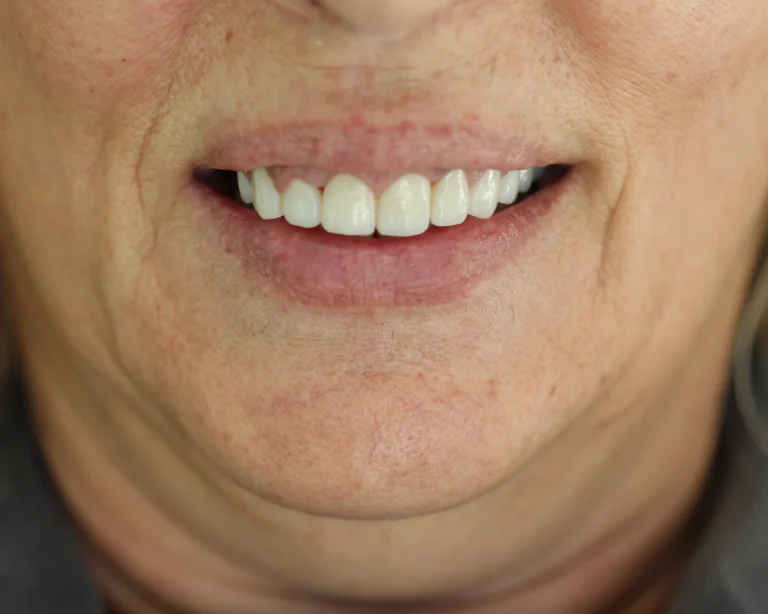
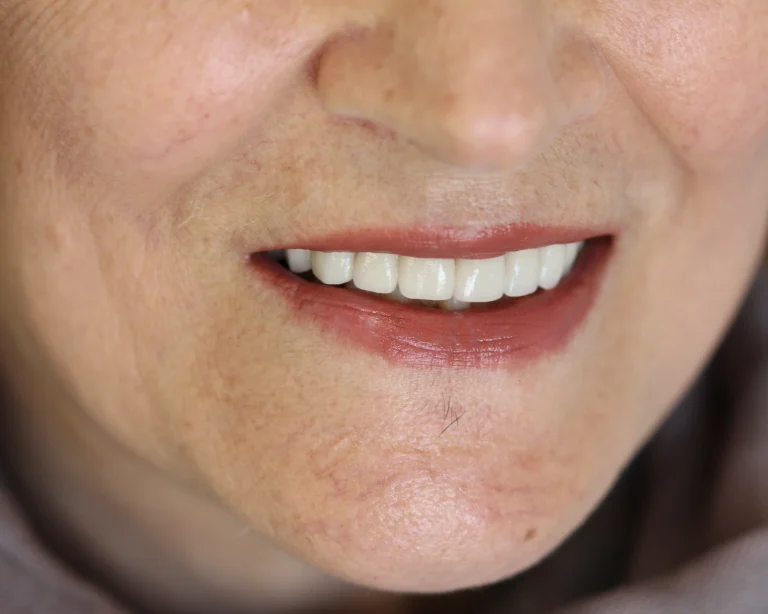
Porcelain veneers are very thin (about as thin as a contact lens) ceramic “shells” that are permanently bonded to the front surface of the teeth. They simultaneously correct colour, shape and position — without the need to “reduce” the entire tooth.
What Veneers Can Correct
- Persistent discolouration that doesn't respond to whitening
- Small chips or cracks
- Gaps (diastemas) between teeth
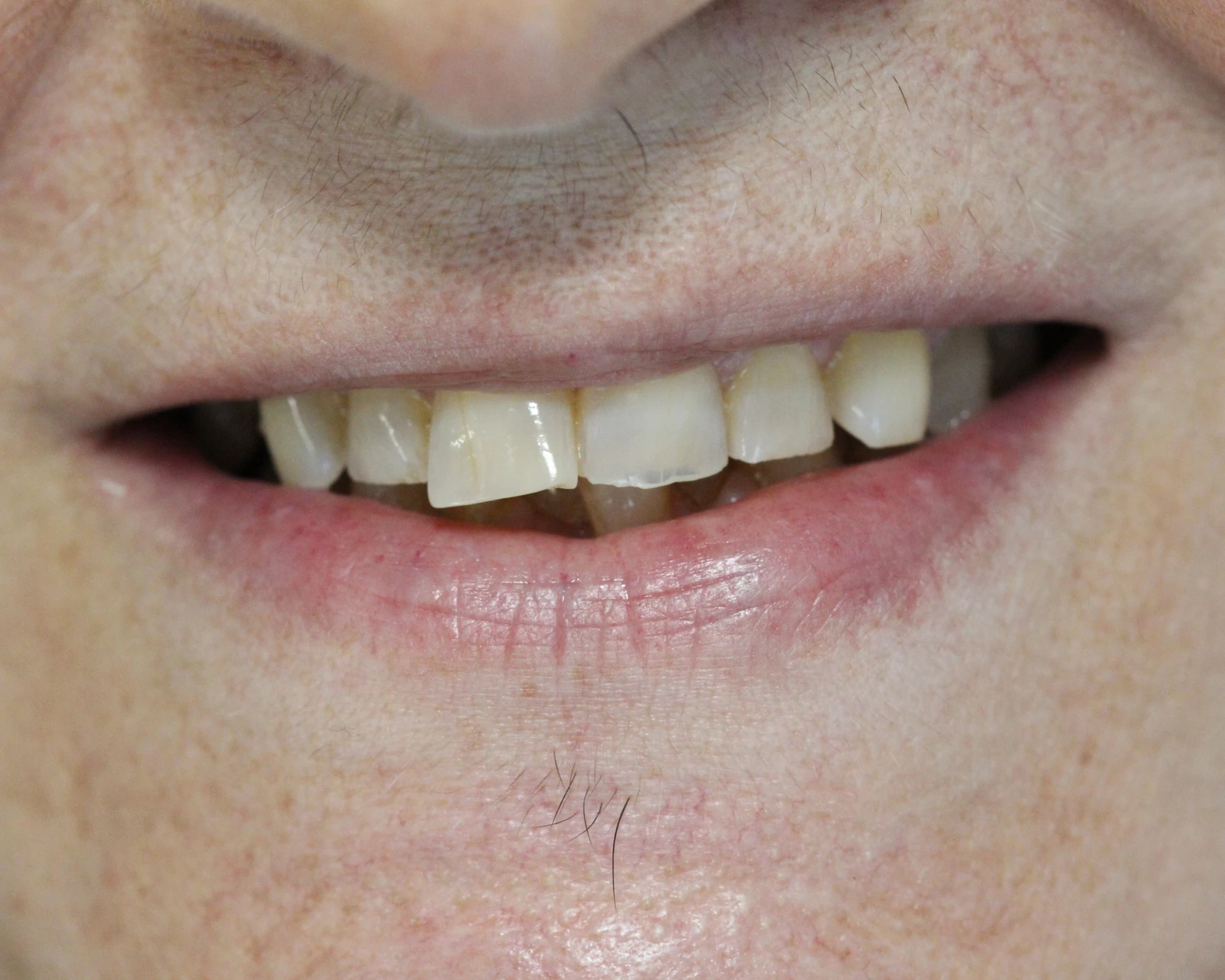
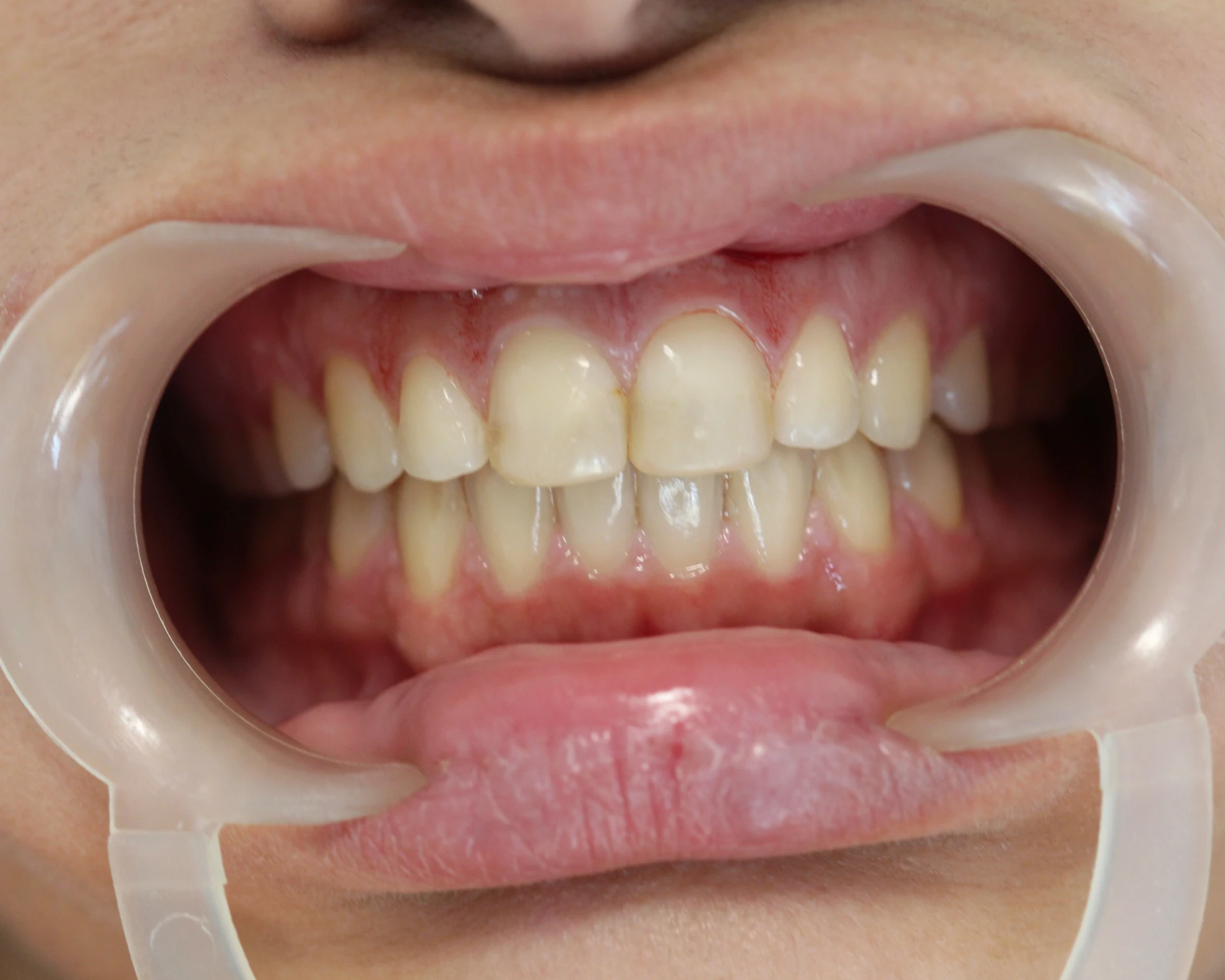
- Uneven or asymmetrical teeth
- Slightly crooked teeth where you don't want orthodontics
- Worn teeth from grinding or ageing
The Process Step by Step
Smile design:
Digital analysis, photos and — where possible — a preview of the result (mock-up).
Preparation:
Minimal preparation (~0.3–0.7 mm) or — where possible — no preparation at all. Digital impressions are taken.
Temporary veneers:
You wear temporary veneers for about 7–14 days, so we can evaluate speech, bite and aesthetics.
Final bonding:
The final ceramic veneers are bonded with a special high-strength resin. The procedure is painless and takes 1–2 hours.
Follow-up:
Reassessment in 1 week and every 6 months thereafter, to ensure long-term maintenance.
Benefits
- Excellent aesthetics — natural translucency & colour
- High resistance to staining (coffee, wine, smoking)
- Minimal or no tooth structure removal
- 10–15+ year lifespan with proper care
- Biocompatible material — gentle on the gums
- Colour stays stable over time
No-Prep Veneers
In many cases, modern ultra-thin veneers can be placed without any tooth preparation at all. This option depends on the position and morphology of your teeth and is evaluated during the digital design phase.
Porcelain Veneers or Whitening?
If you simply want whiter teeth, whitening is the first option — quick, affordable, non-invasive. But if there are chips, gaps, uneven shapes or very intense discolouration that doesn’t respond to whitening, porcelain veneers offer a comprehensive, permanent and more dramatic solution.
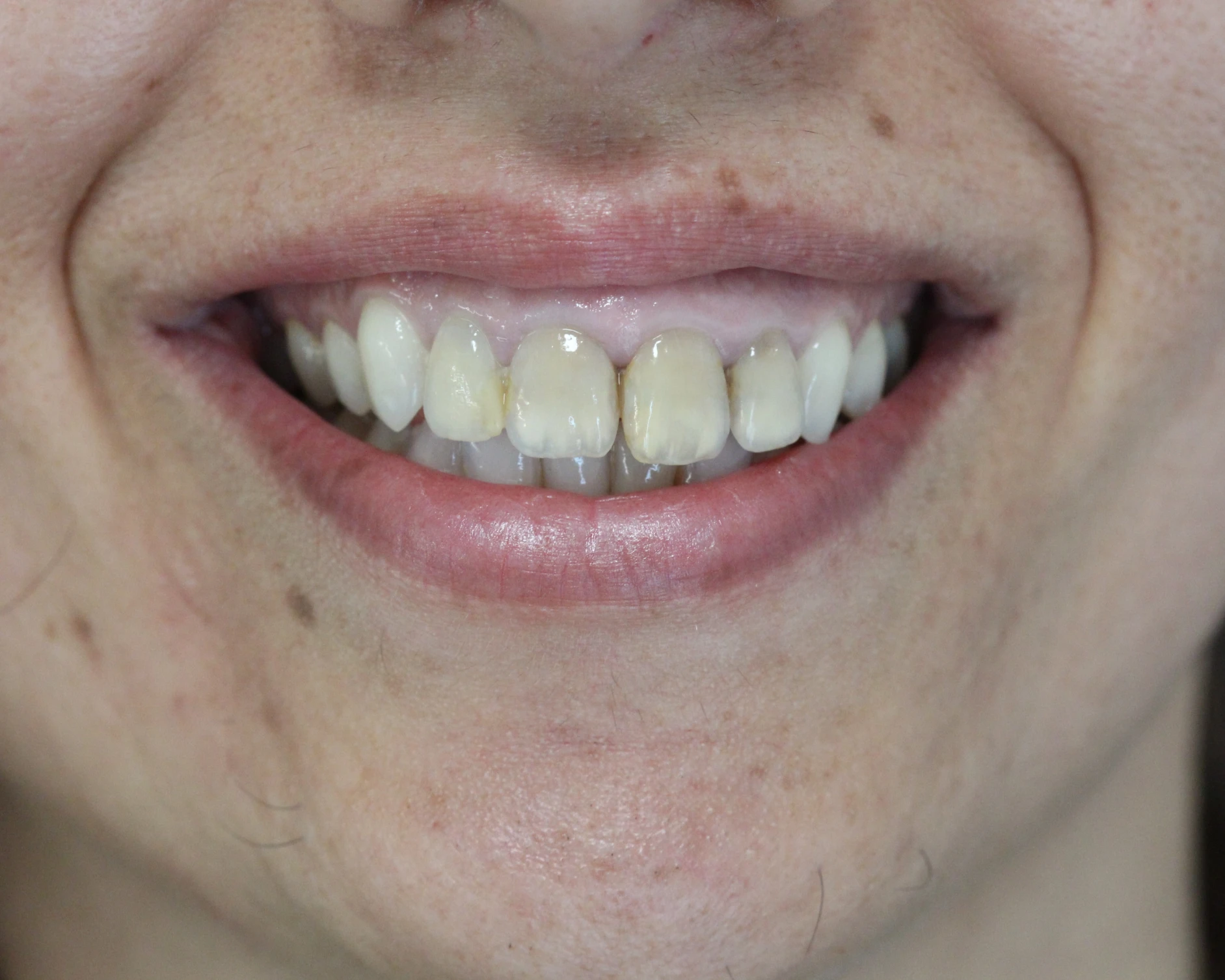
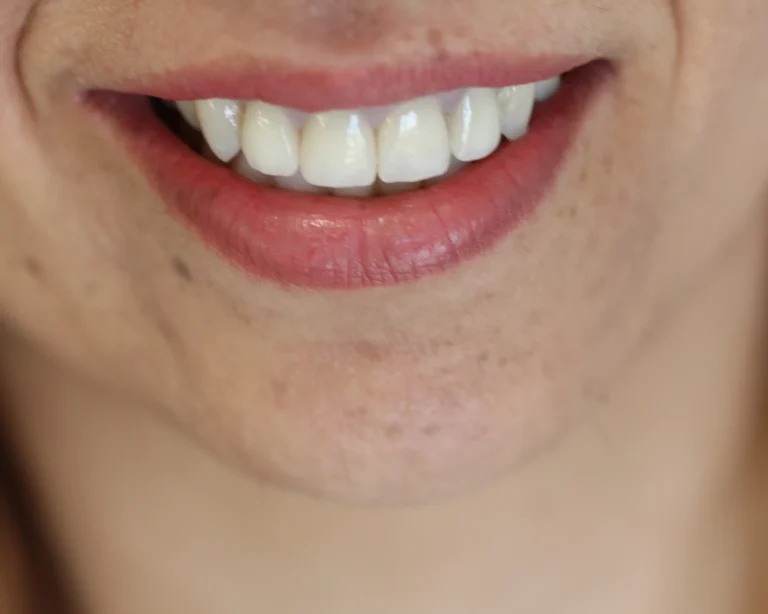
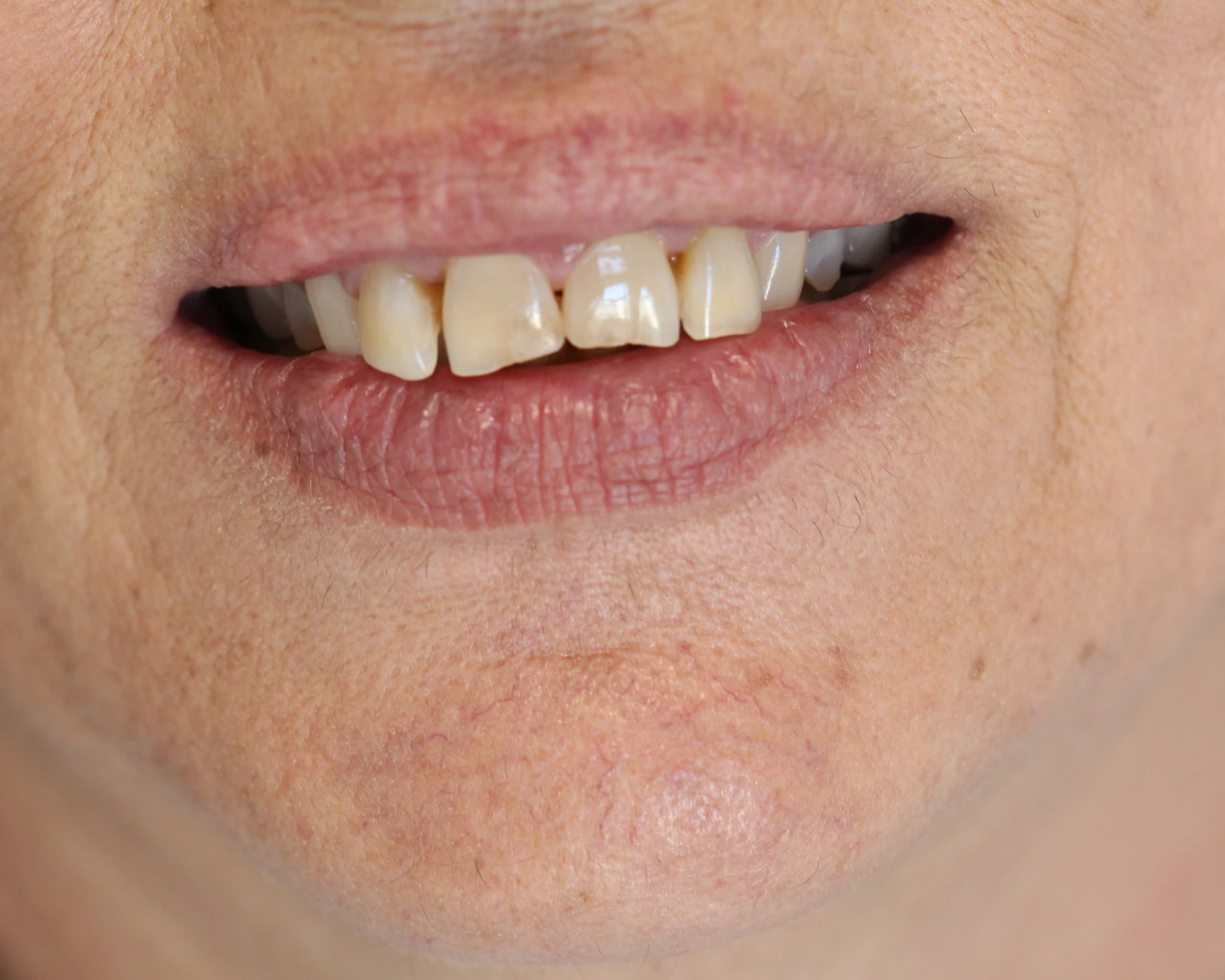
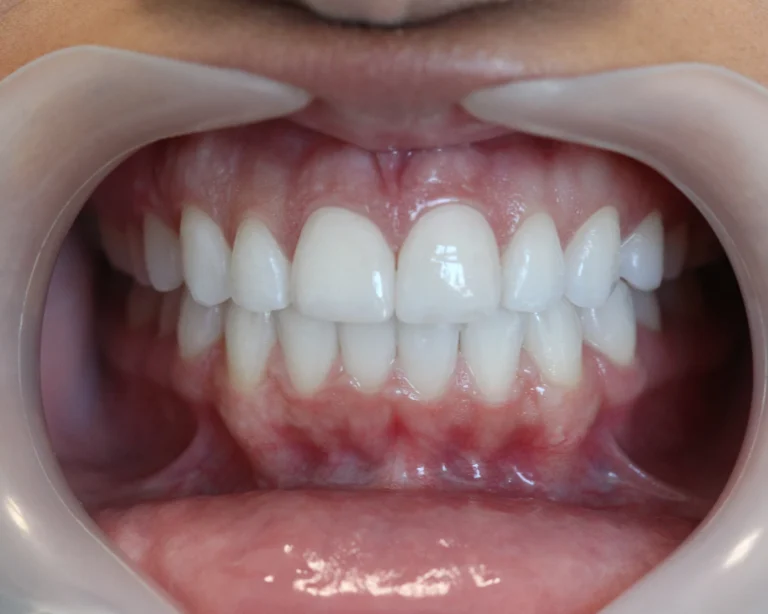
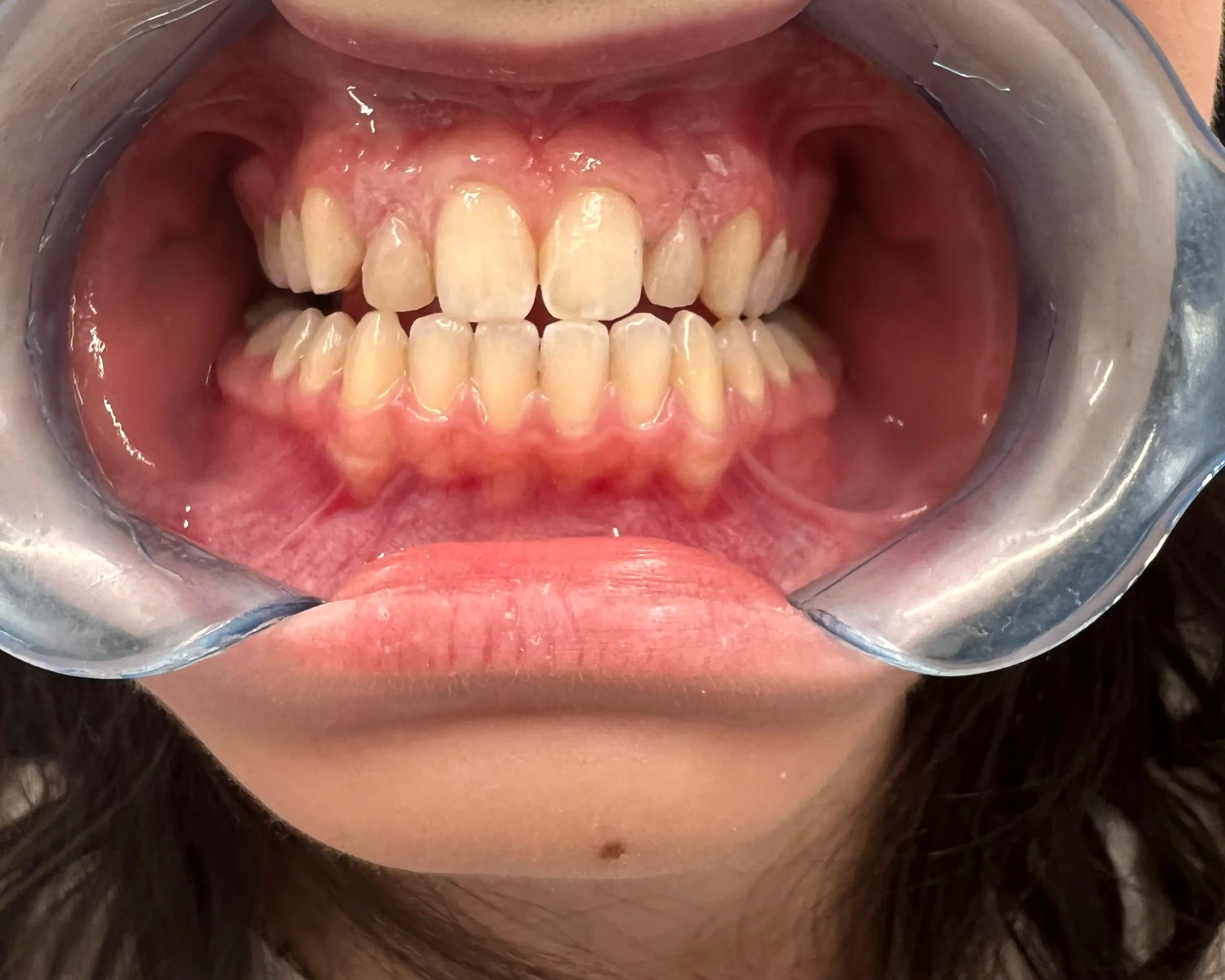
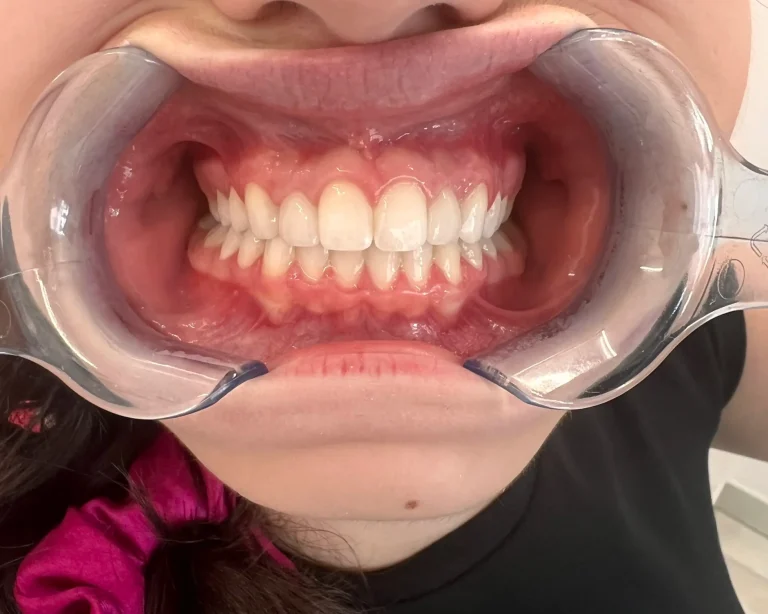
Cases
Everything You Need to Know
Frequently Asked Questions (FAQ)
How long do porcelain veneers last?
With proper oral hygiene and regular check-ups, they last 10–15 years or longer. Factors like grinding (bruxism) can reduce their lifespan — which is why a night guard is often recommended.
Is the procedure painless?
Yes. Where local anaesthesia is needed (mild preparation), the procedure is completely painless. With no-prep veneers, no anaesthesia is needed at all.
Do veneers look natural?
Yes — when properly designed. At Dentistar, we select translucency, texture and shade to suit your face and age. The goal isn’t an “artificial” look but a natural result.
Can I eat normally with veneers?
Yes. You can eat all usual foods. Just avoid extremely hard items (ice, hard-shelled nuts, pens) and trauma.
How do I care for my veneers?
Like your natural teeth: brush twice daily, floss daily, use a gentle non-abrasive toothpaste, and have a professional cleaning every 6 months.
Porcelain or composite veneers — which should I choose?
Porcelain veneers last longer, have better aesthetics and are more stain-resistant. Composite veneers are more affordable and placed in one appointment. The right choice depends on your needs and budget.
Ready to Book Your Appointment?
Contact us today to schedule your visit and take the first step toward a healthier smile.