


- Home /
- Orthodontics /
- Clear Aligners
Clear Aligners
What Are Clear Aligners?
They are a series of thin, transparent plastic aligners (often referred to as Invisalign-type) that fit your teeth like a “second skin”. Each aligner is worn for 1–2 weeks and is replaced with the next in the series, gradually moving the teeth toward their pre-planned position.
Who They're Ideal For
- Adults & teenagers who want discretion
- Patients with mild to moderate orthodontic cases
- Professionals who don't want visible braces
- Those who want flexibility (removable for eating, brushing, special occasions)
- Brides, grooms or people with major upcoming events
Benefits
- Almost completely invisible
- Removable — eat & brush freely
- More comfortable than braces (no wire irritation)
- Fewer appointments (every 6–8 weeks)
- See your final result digitally before you start
- Better oral hygiene during treatment
- Shorter duration in simple cases (6–12 months)
Disadvantages — What to Know
- Require strict compliance — 20–22 hours per day
- Not suitable for all complex orthodontic cases
- Higher cost than metal braces
- Require care about where you leave them when removed
- Some cases require small “attachments” (tooth-coloured bumps on the teeth)
The Procedure Step by Step
Digital scanning & planning:
We take a digital impression of your mouth with a scanner — no traditional impressions. The data is sent for digital treatment design.
Digital simulation:
Before treatment begins, you see your teeth moving to their final position on screen — and we can discuss any adjustments.
Aligner fabrication:
A custom series of clear aligners is produced (usually 15–40 sets per arch, depending on the case).
Delivery & training:
We deliver your first aligners and train you on placement, removal and care.
Aligner change every 1–2 weeks:
You wear each aligner for 1–2 weeks per the plan. We monitor progress every 6–8 weeks.
Maintenance phase:
At the end of treatment, we place a retainer (bonded or removable) to stabilise the result.
Clear Aligners or Braces?
- The right choice depends on:
- The complexity of the case
- Age and compliance (children often forget them)
- Aesthetic priority
- Budget
- At Dentistar, we give you clear advice on which method suits your case — and we never recommend aligners when braces are the right choice
How Many Hours Must They Be Worn
- 20–22 hours per day. That means you only remove them for:
- Meals (ALWAYS remove for food)
- Tooth brushing
- Drinks other than water (coffee, soft drinks, wine — they stain)
- This is the biggest challenge of the treatment — it requires discipline. If you don't wear them enough, treatment slows down or fails.
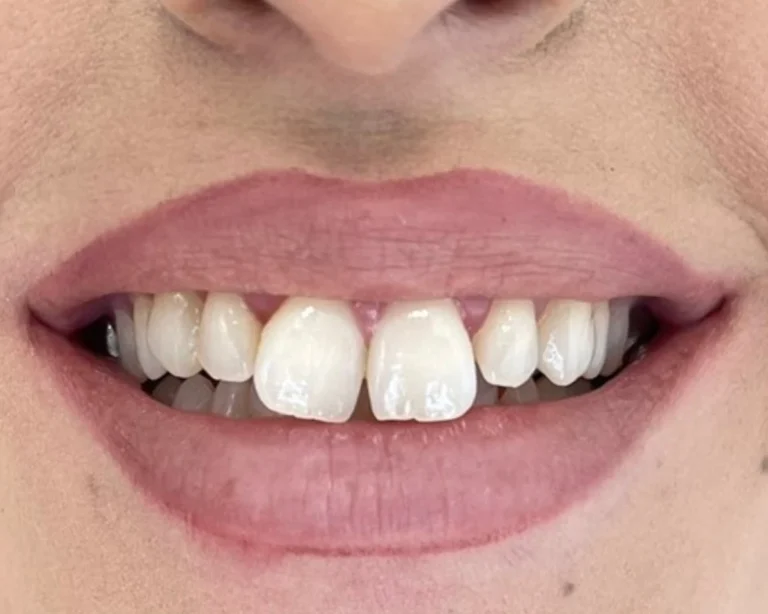
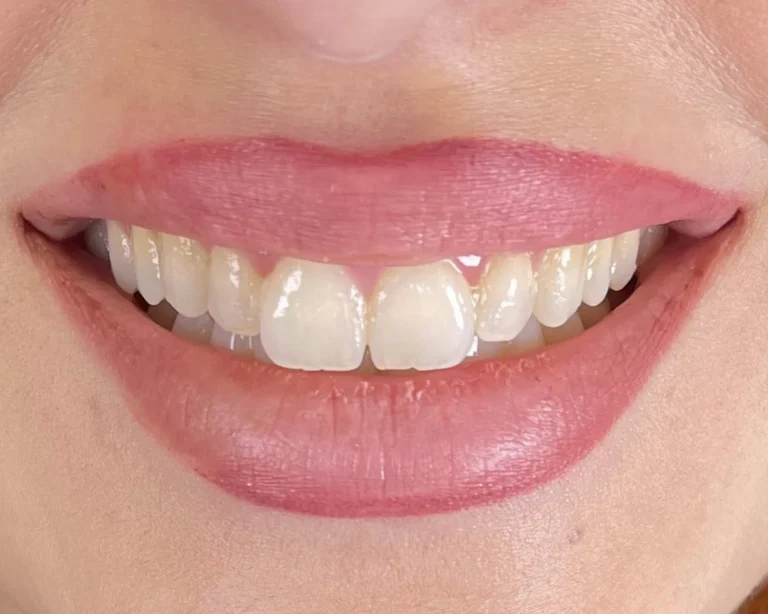
Cases
Everything You Need to Know
Frequently Asked Questions (FAQ)
How long does treatment with clear aligners take?
Usually 6–18 months, depending on complexity. Simple cases can be completed in 4–6 months, complex cases in 18–24 months.
How discreet are they?
Almost completely invisible. At normal distance they aren’t noticed. In complex cases small “attachments” may be needed on the teeth — but these too are tooth-coloured.
Do they hurt?
No. In the first 1–3 days after changing an aligner you may notice mild pressure on the teeth — a sign they’re “working”. Without wires and brackets, there’s no irritation of the gums or tongue.
How much do they cost in Cyprus?
They are usually more expensive than metal braces, but comparable to ceramic. The exact cost depends on duration and complexity — we provide a clear quote after the digital scan.
Can I wear them only at night?
No. 20–22 hours per day are required for them to work. If you only wear them at night, there’s no effectiveness. Compliance is critical.
Are they suitable for children?
There are special teen versions (with small indicators that show whether they’re worn properly). For younger children, evaluation is done in collaboration with the Paediatric Dentistry and Orthodontics teams at Dentistar.
Ready to Book Your Appointment?
Contact us today to schedule your visit and take the first step toward a healthier smile.