


- Home /
- Cosmetic Dentistry /
- Composite Veneers
Composite Veneers
What Are Composite Veneers?
They are layers of high-aesthetic composite resin placed directly onto the tooth and sculpted by the dentist, without involving a dental laboratory. Unlike porcelain veneers, they don’t require impressions or temporary restorations.
When They Are Recommended
- Small chips or cracks in front teeth
- Small gaps (diastemas) between teeth
- Mild discolouration
- Shape correction on one or two teeth
- When you want an affordable, reversible solution
- Worn teeth from grinding or ageing
The Process Step by Step
Colour selection:
We select the ideal resin shade together, matching your face and surrounding teeth.
Tooth preparation:
Gentle cleaning and — where needed — minimal “etching” of the surface so the resin bonds securely.
Layered placement:
The resin is applied in layers and cured with a special light, so it gains strength and natural depth.
Shape sculpting:
We give the final shape and details, matching the adjacent teeth.
Polishing:
We polish to a high lustre for a natural, lively finish.
Benefits
- Completed in one appointment (1–2 hours)
- More affordable than porcelain veneers
- Minimal or no tooth preparation — a conservative approach
- Easy to repair & adjust in the future
- Immediate result — you leave the clinic with your new smile
Limitations vs Porcelain Veneers
- Shorter lifespan (4–7 years vs 10–15+)
- May stain over time (coffee, wine, smoking)
- Less natural translucency than porcelain
- Wear faster under chewing forces
Aftercare
- Brush with non-abrasive toothpaste twice daily
- Moderate coffee, red wine and cigarette consumption
- Professional polishing every 6–12 months to maintain shine
- Avoid biting hard objects with front teeth
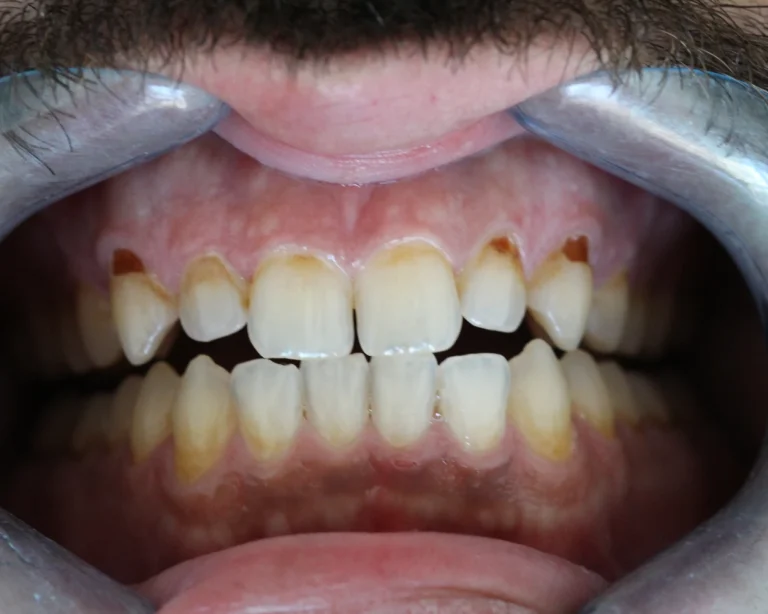
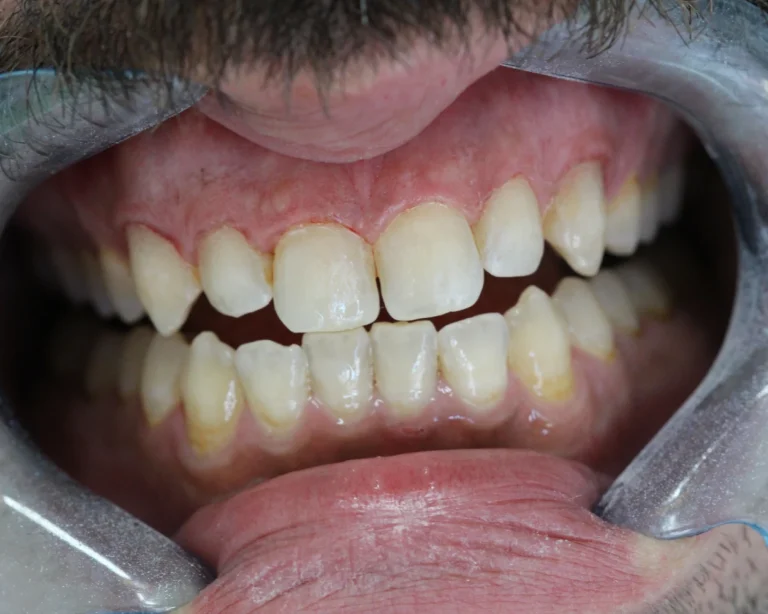
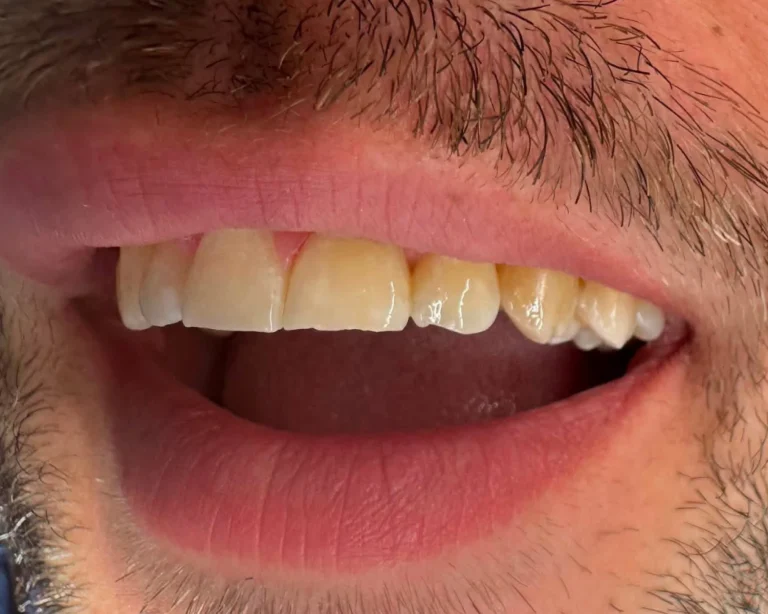
Cases
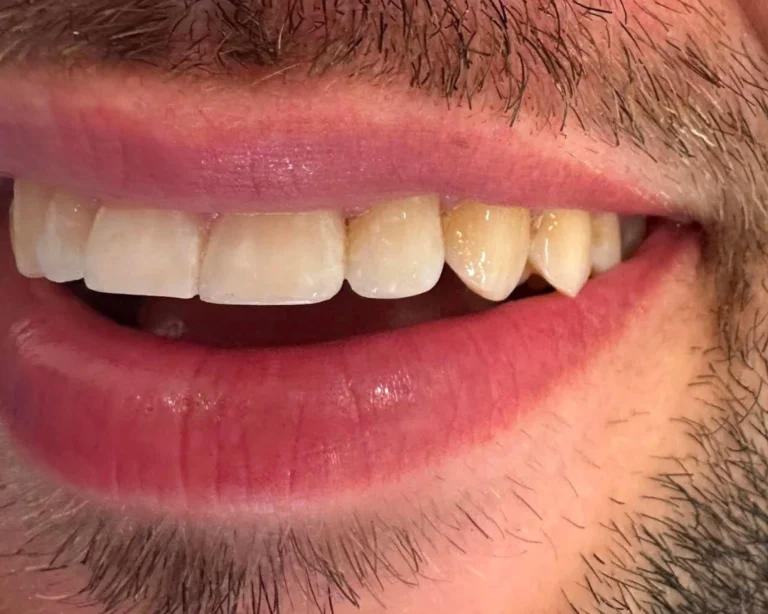
Everything You Need to Know
Frequently Asked Questions (FAQ)
How long do composite veneers last?
With proper care, 4–7 years on average. After that, they may need polishing, partial repair or replacement.
Do composite veneers hurt?
No. Usually no anaesthesia is needed at all, as preparation is minimal or zero.
How do they compare in price to porcelain veneers?
Composite veneers typically cost 40–60% less than porcelain veneers. The exact price at Dentistar is provided after clinical examination.
Can I upgrade to porcelain veneers later?
Yes. Many patients start with composite veneers as a reversible “trial” and later transition to porcelain veneers for greater longevity and aesthetics.
Do they stain from coffee?
Over time, composite resin may pick up slight staining from coffee, tea, wine or smoking. However, it’s easily restored with professional polishing.
Are they permanent or reversible?
When no preparation is done (or minimal), the procedure is reversible — the resin can be removed and the tooth returned to its original state.
Ready to Book Your Appointment?
Contact us today to schedule your visit and take the first step toward a healthier smile.